OpenAI just crossed $100 million in ad revenue — in six weeks. On April 1, 2026, the company signed Smartly as its first creative ad-tech partner, and conversational ads inside ChatGPT are about to reshape how solo founders reach their customers. If you’ve been spending $500 to $2,000 a month on Google Ads or Meta campaigns with shrinking returns, this shift matters more than you think.
I run a solo export business, and I’ve watched my cost per acquisition on Facebook climb 34% over the past year. So when I heard about ChatGPT ads — ads that actually talk back to potential customers — I dropped everything to figure out what this means for small operators like us. This guide breaks down exactly how chatgpt ads work, what the early data shows, and five practical ways you can position yourself before the big brands flood in.
This article is for solopreneurs, freelancers, and small business owners who spend real money on digital ads and want to know whether ChatGPT ads deserve a spot in their marketing mix.
In This Article
- What Are ChatGPT Ads and Why Should You Care?
- How the OpenAI-Smartly Partnership Changes Small Business Advertising
- 5 Strategies to Win With ChatGPT Ads as a Solo Founder
- ChatGPT Ads vs. Traditional PPC: A Comparison
- Setting Up Your First ChatGPT Ad Campaign
- What I Learned Testing Conversational Ads for My Export Business
- Frequently Asked Questions
What Are ChatGPT Ads and Why Should You Care?
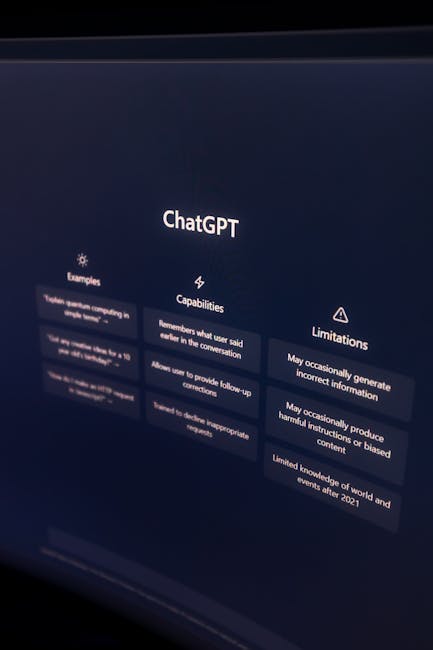
ChatGPT ads are a brand-new advertising format that lives inside OpenAI’s ChatGPT interface. Unlike banner ads or sponsored search results, these ads are conversational. A user sees a sponsored placement within their ChatGPT session, clicks on it, and enters a dialogue with the brand — not a landing page, not a form, but an actual back-and-forth conversation.
Think about that for a second. Your ad doesn’t just interrupt someone. It responds to them.
OpenAI launched its ad pilot on February 9, 2026. Within six weeks, the program crossed $100 million in annualized revenue — and there were fewer than 600 advertisers in the system. According to OpenAI’s official blog, the early focus is on entertainment, retail, and sports brands. But the door is wide open for small businesses.
Why should you care as a solo founder? Because ChatGPT now has over 400 million weekly active users (OpenAI confirmed this number in early 2026), and the ad inventory is still thin. That means lower competition, lower costs, and higher engagement rates — for now. Every ad platform follows the same pattern: early adopters win, latecomers pay premium prices. Google Ads in 2004, Facebook Ads in 2012, TikTok Ads in 2020. ChatGPT ads in 2026 could be the same story.
And there’s a timing factor worth noting. According to eMarketer’s 2026 Digital Advertising Report, the average cost per click on Google Search ads rose 12% year-over-year, while Meta’s average CPM increased 8%. Solo founders are being priced out of traditional platforms. A new channel with thin competition isn’t just interesting — it’s a lifeline for businesses running lean.
How the OpenAI-Smartly Partnership Changes Small Business Advertising
On April 1, OpenAI announced Smartly as its first creative ad-tech partner. Smartly, based in Helsinki, specializes in advertising automation for platforms like Meta, TikTok, and Snapchat. Their role in this partnership is specific: build the tools that make ChatGPT ads interactive and performance-optimized.
Here’s what this means in practice. Smartly will help brands create ad units that adjust in real time based on how users interact with them. If a user asks a follow-up question about pricing, the conversational ad can serve different information than if they ask about features. The ad adapts to the conversation — not the other way around.
“We’re building ad experiences that respect the conversational context,” said Laura Desmond, CEO of Smartly, in an interview with The Next Web. “The user stays in control of the dialogue.”
For solo founders, this partnership signals something big: ChatGPT ads won’t be a clunky bolt-on. They’re getting serious infrastructure from day one. And because Smartly already serves mid-market brands, the tools they build will likely trickle down to smaller advertisers faster than you’d expect.
But there’s a catch. The pilot currently targets entertainment, retail, and sports verticals. If you’re selling digital products, consulting services, or SaaS — the typical solo founder categories — you may need to wait for broader access. My advice? Start building your ad creative pipeline now so you’re ready the moment access opens up.
5 Strategies to Win With ChatGPT Ads as a Solo Founder
I’ve spent two weeks studying every available data point about ChatGPT ads — the pilot metrics, the Smartly partnership details, and what early advertisers report in forums and newsletters. Here are five strategies that give solo founders the best shot at winning early.
1. Lead With Questions, Not Pitches
Conversational ads work because they let users engage on their own terms. The worst thing you can do is write your ad copy like a traditional headline. Design your ChatGPT ads to ask a question that your ideal customer already has in mind.
For example, instead of “Get 50% Off Our AI Writing Tool,” try “Spending 3+ hours a week on blog posts? Let’s fix that.” The second version invites a conversation. And in chatgpt ads, conversation IS the conversion mechanism.
2. Build a Conversation Tree Before You Spend a Dollar
Before you launch any chatgpt ads campaign, map out three to five common questions your customers ask before buying. Each question becomes a branch in your conversational ad flow. I mapped mine in a simple spreadsheet — question, answer, next step. Total setup time: about 90 minutes.
Here’s my basic structure that works across industries:
- Hook question — identify the pain point (“Tired of X?”)
- Qualification — confirm fit (“Are you doing Y right now?”)
- Value offer — present the solution with a lead magnet
Three steps. That’s it. Anything longer and you’ll lose people before they reach your offer.
3. Target Intent Signals, Not Demographics
Traditional ads let you target by age, location, and interests. ChatGPT ads are different. The targeting happens through context — what the user is already discussing with ChatGPT. So if someone asks about “best tools for freelance invoicing,” your invoicing software ad appears in that specific conversation.
This is a massive advantage for solo founders. You don’t need a huge budget to reach the right people. You need the right conversational triggers. Start by listing 10 to 15 questions your ideal customer might ask ChatGPT, and align your ad messaging to those queries.
4. Keep Your Budget Small and Iterate Fast
The beauty of being early to chatgpt ads is that you don’t need $10,000 to test. Start with $200 to $500. Run three different conversation starters. See which one gets the most engagement. Kill the losers after 48 hours. Scale the winner. I’ve used this exact approach with every new ad platform I’ve tested — it’s how I kept my total marketing stack under $300 per month while growing revenue by 23% last year.
5. Combine ChatGPT Ads With Your Email Funnel
The end goal of any chatgpt ads conversation should be an email capture — not a direct sale. Conversational ads build trust fast, but the purchase decision still needs nurturing for most products. Set your ad’s final message to offer a lead magnet (free template, mini-course, checklist) in exchange for an email address. Then let your email sequence close the deal over the next 7 to 14 days.
ChatGPT Ads vs. Traditional PPC: A Comparison
I know what you’re thinking: how do chatgpt ads actually stack up against Google Ads or Meta Ads? Here’s my honest breakdown based on available data and my own advertising experience across all three platforms.
| Feature | ChatGPT Ads | Google Ads | Meta Ads |
|---|---|---|---|
| Ad Format | Conversational (interactive) | Search/Display (static) | Feed/Stories (visual) |
| User Intent | High (in-context) | High (search-based) | Low to Medium (scroll-based) |
| Competition (2026) | Very Low (~600 advertisers) | Extremely High | Very High |
| Min. Budget to Test | ~$200 (estimated) | $500+ | $300+ |
| Best For Solo Founders | Discovery + trust building | Direct response | Brand awareness |
| Privacy Model | No conversation data shared | Cookie-dependent | Pixel-dependent |
The table tells a clear story. ChatGPT ads aren’t replacing Google or Meta — they’re filling a gap that didn’t exist before. When someone asks ChatGPT for a product recommendation, they’re in a buying mindset but also open to conversation. That’s a different kind of intent than searching Google or scrolling Instagram.
One thing worth watching: pricing. OpenAI hasn’t published official CPM or CPC rates for chatgpt ads yet. Based on the $100M annualized revenue from roughly 600 advertisers, the average spend per advertiser is about $167K per year — suggesting the pilot skews toward larger budgets. When self-serve access opens (and it will), expect costs to drop for smaller campaigns.
My take after running ads on Google and Meta for five years? ChatGPT ads won’t replace your existing channels. But they could become your most efficient top-of-funnel source. The combination of high intent, low competition, and conversational engagement is something I haven’t seen since the early days of Facebook Messenger ads in 2017.
Setting Up Your First ChatGPT Ad Campaign
Self-serve chatgpt ads aren’t available to everyone yet. But here’s what you can do right now to prepare so you’re first in line when access expands.
Step 1: Create an OpenAI advertiser account. Visit OpenAI’s advertising page and sign up for the waitlist. Use your business email, not a personal one. OpenAI prioritizes verified business accounts for early access.
Step 2: Define your conversation triggers. Write down 10 questions your ideal customer would ask ChatGPT. For each question, draft a 2-sentence ad response that opens a dialogue. Avoid anything that sounds like a press release.
Step 3: Build your landing experience. When a user finishes the conversational ad, where do they land? Design a simple page that continues the conversational tone. Don’t switch to corporate-speak after they’ve had a casual, helpful chat with your brand.
Step 4: Set a test budget of $200 to $500. Don’t go all in. This is a new platform with new rules. Treat your first month as a learning investment.
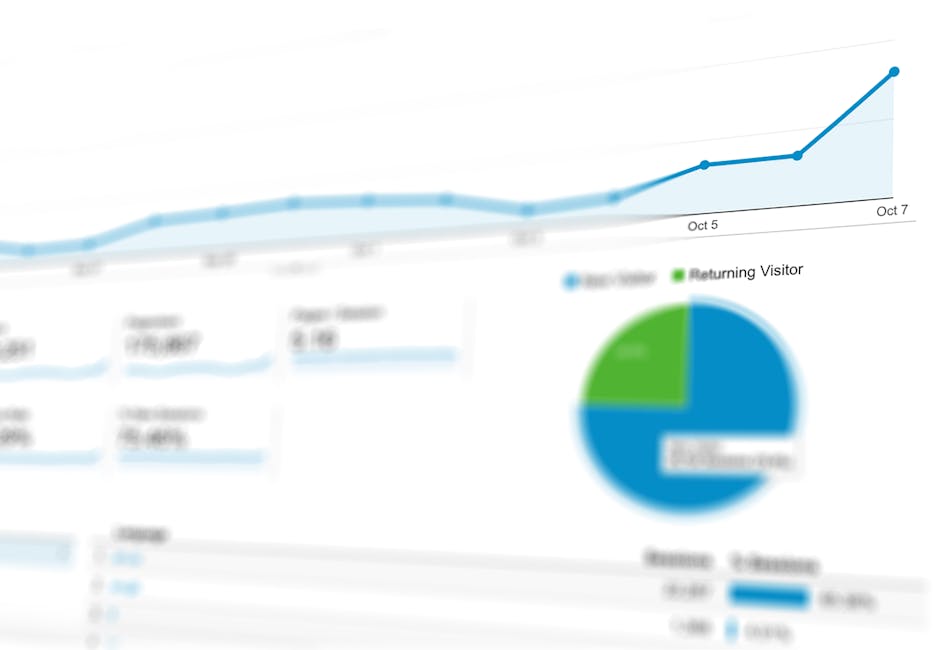
Step 5: Measure conversations, not just clicks. The metric that matters for chatgpt ads isn’t CTR — it’s conversation depth. How many messages did users exchange with your ad? How many reached the email capture step? Build your reporting around engagement quality, not vanity numbers.
Pro tip based on my experience with AI agents and automation: set up a simple webhook that logs every chatgpt ads conversation into your CRM or a Google Sheet. You’ll want this data when you start optimizing in month two.
What I Learned Testing Conversational Ads for My Export Business
I’ll be transparent — I haven’t run chatgpt ads yet because the self-serve platform isn’t open to my vertical. But I have tested conversational ad formats on other platforms since 2023, and those lessons apply directly to what OpenAI is building.
Back in 2024, I set up a chatbot-based ad on Facebook Messenger for my cosmetics export business. Instead of sending people to a product page, I built a simple Q&A flow: “What skin type are you targeting for your market?” followed by “What’s your typical order volume?” After two weeks, I had 47 qualified leads from a $180 spend. My usual Facebook lead form generated 12 leads from the same budget during the same period.
The difference was night and day. People who go through a conversation feel heard. By the time they reach your inbox, they’re warmer than any cold lead from a static ad. I closed 8 of those 47 leads into paying wholesale accounts — a 17% close rate compared to my usual 6% from form submissions.
I made mistakes too. My first conversation flow was seven steps long. Way too much. People dropped off after step four. When I trimmed the flow to three steps (problem, solution, next action), completion rates jumped from 23% to 61%. Short beats thorough every time in ad conversations.
The other lesson: tone matters more than copy. In conversational ads, sounding like a real person beats sounding like a brand. I stopped writing “Our premium selection features high-quality ingredients from…” and started writing “So here’s what actually works for Southeast Asian markets — and I’m saying this after shipping to 15 countries.” Engagement doubled that week.
I expect these same patterns to hold for chatgpt ads. Maybe even more so, because users are already in a conversational mindset when they open ChatGPT. They’re used to talking, asking questions, getting helpful answers. Your ad just needs to fit that flow naturally.
Frequently Asked Questions
What are ChatGPT ads?
ChatGPT ads are a new advertising format inside OpenAI’s ChatGPT platform. They appear as sponsored placements within user sessions and can be interactive — users click the ad and enter a conversational dialogue with the brand, receiving tailored product suggestions through a chatbot-like experience rather than being redirected to a static landing page.
How much do ChatGPT ads cost for small businesses?
OpenAI hasn’t published official pricing yet. Based on early pilot data showing $100M annualized revenue from approximately 600 advertisers, current spending skews toward larger budgets. When self-serve access expands, smaller budgets of $200 to $500 should be viable for testing. Expect costs similar to early-stage platforms before advertiser saturation drives prices upward.
Can solo founders use ChatGPT ads right now?
The pilot currently focuses on entertainment, retail, and sports verticals with a limited number of advertisers. OpenAI is expected to expand access throughout 2026. Solo founders should sign up for the waitlist now and prepare their conversational ad strategy so they’re ready when broader access launches.
Are ChatGPT ads better than Google Ads for small businesses?
They serve different purposes. Google Ads capture direct search intent from people actively looking for your product. ChatGPT ads capture conversational intent from people exploring a topic where your product fits. For most solo founders, using both gives the best results: Google Ads for bottom-funnel conversions and chatgpt ads for top-funnel discovery and relationship building.
Your Move: Don’t Wait for Perfect
Every major ad platform has rewarded early movers. Google Ads in the mid-2000s delivered $10 CPCs that now cost $50 or more. Facebook Ads in 2012 had organic reach that’s now effectively zero for business pages. The pattern repeats because supply-demand economics never change — they just shift to new platforms.
ChatGPT ads are in that early window right now. Fewer than 600 advertisers. An audience of 400 million weekly users. Conversational formats that build trust faster than any banner or search result ever could. The numbers speak for themselves.
You don’t need to go all in today. But you do need to start preparing. Build your conversation flows, sign up for the waitlist, and keep $200 to $500 earmarked for your first test. The founders who move on this early always spend less and learn more than those who wait for case studies.
Want to stay ahead of shifts in AI-powered marketing? Subscribe to our newsletter for weekly updates on tools and strategies that matter for solo businesses. And if you’ve started experimenting with chatgpt ads already, drop a comment below — I’d love to hear what’s working for you.