AI marketing gives solo founders the firepower to compete with companies 100x their size. Five years ago, competing with established brands as a solopreneur was nearly impossible. They had marketing teams, ad budgets, and content machines you couldn’t match. AI has completely leveled this playing field.
In This Article
Today, a single founder with the right AI marketing stack can produce content, run campaigns, and engage audiences at a level that rivals companies with 50-person marketing departments. Here’s exactly how.
The AI Marketing Advantage for Solo Founders
Big brands have resources but they also have bureaucracy. Every piece of content goes through approvals. Every campaign requires committee sign-off. Every pivot takes weeks.
As a solopreneur, you have something they don’t: speed and authenticity. AI amplifies both. You can test 10 marketing ideas in the time it takes a corporation to approve one. And your personal brand carries a trust factor. As we covered in building multiple income streams, diversifying your AI marketing channels protects your revenue that no corporate marketing can replicate.
Combined with the right AI toolkit, you become a marketing machine of one.
The real power of these tools for solopreneurs is not just automation — it is strategic advantage. When you automate the repetitive parts of marketing, you free up time for the creative and relational work that no AI can replicate. This distinction matters because most solopreneurs make the mistake of trying to automate everything, including the parts that require a human touch. The goal is to use AI marketing tools for the 80 percent of work that is repeatable and predictable, and reserve your energy for the 20 percent that actually builds relationships and trust with your audience.
Consider the difference between a solopreneur who spends four hours writing one blog post manually versus one who uses AI to draft the first version in 30 minutes and then spends an hour editing, adding personal stories, and refining the voice. The second founder publishes three times more content in less total time, and the quality is higher because the editing process focuses on what matters — authenticity and value — rather than struggling with blank-page syndrome. This is the multiplier effect of smart automation done right.
1. AI-Powered Content Marketing
SEO Content at Scale
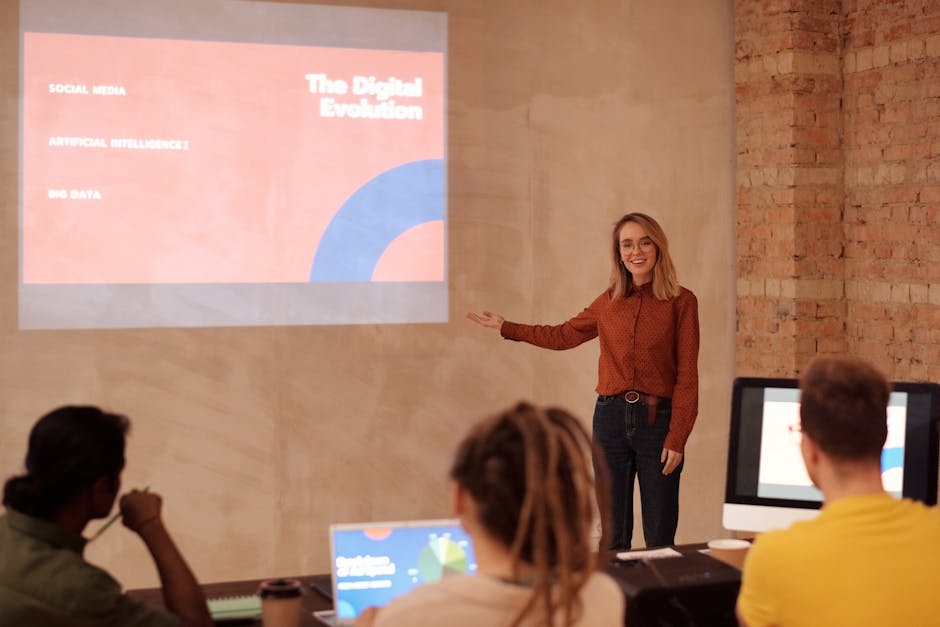
The foundation of any organic AI marketing strategy is search-optimized content. Here’s the AI-powered workflow:
- Keyword research — use tools like Ahrefs or Ubersuggest to find low-competition, high-intent keywords in your niche
- Content brief generation — feed keywords into Claude or ChatGPT to create detailed outlines with search intent analysis
- First draft creation — AI generates 80% of the draft in 20 minutes instead of 4 hours
- Human optimization — you add personal experience, unique insights, and brand voice
- Publish and distribute — one blog post becomes 15+ social media pieces via AI repurposing
One workflow that works really well for solo founders is the content pillar approach. Choose one main topic per month and use AI to create a long-form pillar article, then break that article into 10 to 15 smaller pieces — social media posts, email snippets, short videos, and infographics. This single-source approach ensures messaging consistency across channels without requiring you to come up with new ideas constantly. Tools like Claude and ChatGPT excel at this kind of content repurposing because they can adapt tone, length, and format while keeping the core message intact.
With this workflow, a solopreneur can publish 3-4 SEO-optimized articles per week. Most companies publish 1-2. You’re already winning.
Email Marketing That Converts
Email remains the highest-ROI marketing channel. AI supercharges it:
- Subject line testing — generate 20 variations, A/B test the top 3
- Personalization at scale — AI customizes email content based on subscriber behavior
- Welcome sequences — create a 7-email onboarding series in one sitting
- Re-engagement campaigns — AI identifies inactive subscribers and crafts win-back emails
Where AI marketing really shines in email is segmentation. Most solopreneurs send the same email to their entire list. AI tools can analyze subscriber behavior — which emails they open, which links they click, what products they browse — and automatically segment your audience into groups that receive different messages. A subscriber who clicked on three product links gets a different follow-up than someone who only reads your educational content. This level of personalization used to require a marketing team and expensive CRM software. Now it is possible with free or low-cost tools and AI-generated copy tailored to each segment.
2. AI-Enhanced Social Media Strategy
Content Creation Pipeline
Most solopreneurs post sporadically on social media because creating content is time-consuming. AI changes this:
The most important principle for AI-enhanced social media is platform-native content. Each platform has its own language, format, and audience expectations. LinkedIn rewards long-form professional insights. Instagram rewards visual storytelling. Twitter rewards concise, opinionated takes. The mistake most solopreneurs make is creating one piece of content and posting it identically across all platforms. AI tools solve this by reformatting a single idea into platform-specific versions. You write one insight, and AI creates a LinkedIn post, a Twitter thread, an Instagram caption, and a TikTok script — each optimized for where it will appear.
Consistency matters more than perfection on social media. An AI-assisted schedule that publishes five decent posts per week will outperform one perfect post per month every single time. The algorithm rewards accounts that post regularly, and your audience builds the habit of engaging with your content when they see it consistently in their feed. Use AI to maintain this rhythm without burning out.
- Batch creation — create 30 days of content in one 2-hour session
- Platform adaptation — AI reformats one idea for Twitter, LinkedIn, Instagram, and TikTok
- Trend riding — AI monitors trends in your niche and suggests timely content angles
- Engagement responses — AI drafts thoughtful replies to comments, saving hours of community management
Visual Content Without a Designer
AI image generators and design tools have eliminated the need for a graphic designer:
- Midjourney / DALL-E — create custom blog images, social media graphics, and brand visuals
- Canva AI — generate professional designs with text-to-design features
- Luma / Runway — create short video content from text prompts
3. AI-Driven Advertising
Paid advertising is where solopreneurs traditionally struggled most — big brands outspend them on every platform. AI changes the economics:
- Ad copy generation — create 50 ad variations in minutes, let the platform’s algorithm find winners
- Audience analysis — AI identifies your ideal customer profiles from existing data
- Budget optimization — AI tools automatically shift spend to highest-performing ads
- Landing page creation — generate and test multiple landing pages without a developer
A practical approach to AI-driven ads for solopreneurs is to start with a micro-budget of five to ten dollars per day. Use AI to generate 20 ad variations — different headlines, descriptions, and calls to action — and run them simultaneously. Within 48 hours, the platform algorithm will identify which two or three versions perform best. Kill the rest and concentrate your budget on the winners. This rapid testing approach means you find winning ad creative faster than big brands that spend weeks in creative review before launching a single version. In AI marketing, speed of iteration beats size of budget almost every time.
The key insight: you don’t need a bigger budget. You need more variations. AI lets you test 50 ad concepts for the same cost as a big brand testing 5. The platform algorithms reward the best creative regardless of who made it.
4. AI for Customer Insights
Customer insight mining is perhaps the most underrated application of AI marketing for solo businesses. Big companies hire research firms and run focus groups costing tens of thousands of dollars. A solopreneur can achieve similar depth by collecting customer feedback from emails, reviews, social media comments, and support messages, then feeding that text into an AI tool with a prompt like: analyze these 50 customer messages and identify the top five recurring themes, pain points, and language patterns. The result is a customer insight report that would take a human analyst days to produce, delivered in minutes. These insights directly inform your content topics, product development, and messaging strategy.
- Review mining — feed competitor reviews into AI to extract pain points and desires
- Survey analysis — AI processes open-ended survey responses and identifies themes
- Social listening — monitor mentions of your brand and competitors across platforms
- Persona development — create detailed customer personas from real behavioral data
Understanding your customer deeply is the solopreneur’s ultimate advantage. As we covered in getting your first customers, the closer you are to your audience, the more effectively you can serve them.
5. Building Your AI Marketing Stack
Here’s the recommended stack for different budget levels:
Budget Stack ($50/month)
Before choosing your stack, audit your current activities and identify where you spend the most time with the least results. If you spend three hours per week writing social media posts that get minimal engagement, that is your first automation target. If you spend two hours per week on email newsletters, AI can cut that to 30 minutes. The best tool stack is the one that eliminates your biggest time sinks first, not the one with the most impressive feature list. Start with one or two tools, master them, and only add more when you have a clear need.
- ChatGPT Plus ($20) — content and copy
- Canva Pro ($13) — visual design
- Buffer Free + manual posting — social media
- Mailchimp Free — email marketing
Growth Stack ($150/month)
- Claude Pro ($20) — strategic content
- Jasper ($49) — marketing copy
- Canva Pro ($13) — design
- ConvertKit ($29) — email marketing
- Buffer Pro ($36) — social scheduling + analytics
Scale Stack ($300/month)
- All Growth Stack tools
- Ahrefs Lite ($29) — SEO research
- Midjourney ($30) — custom visuals
- Make/Zapier ($20) — automation workflows
- Remaining budget → paid ads with AI-optimized creative
The Solo Founder’s Unfair AI Marketing Advantage
Here’s what big brands can’t replicate: your story. People connect with people, not logos. AI handles the volume and optimization. You bring the authenticity, personal experience, and genuine connection that no corporate marketing department can manufacture.
The winning formula is simple: AI for scale, you for soul.
Start this week. Pick one area — SEO content, email, or social media — and implement the AI workflow. Track the results for 30 days. Then expand. Within three months, you’ll be producing marketing output that rivals companies 100x your size.
One more advantage worth mentioning: these AI tools get better the more you use them. As you refine your prompts, build templates for recurring tasks, and develop a library of effective frameworks, your efficiency compounds over time. A solopreneur who has been using AI marketing for six months can produce in one hour what took four hours when they started. This learning curve is your moat — the longer you invest in building these systems, the harder it becomes for competitors to catch up, regardless of their team size or budget.
Because the future of marketing isn’t about who has the biggest team. It’s about who uses the best tools. And right now, those tools are available to everyone — including you.
How a One-Person Cosmetics Business Competes With Amorepacific
I’ll give you a concrete example from my own business because this topic can get abstract fast.
I sell Korean cosmetics to international markets. My competitors include Amorepacific (a billion-dollar Korean beauty conglomerate) and hundreds of other K-beauty exporters with actual marketing teams. I have me, a laptop, and a Claude subscription. Here’s how AI levels the field in practice.
Content marketing: Big brands publish beautifully produced content in one language, maybe two. I use Claude to create product descriptions and social posts in English, French, and Spanish — the three languages that cover most of my customer base. I’m not going to pretend my French is perfect, but it’s good enough that influencers in Paris engage with it. One person producing content in three languages would’ve been impossible without AI. Now it takes me about 2 hours per week.
Influencer outreach: Large brands send generic PR packages with a form letter. I send personalized messages that reference the influencer’s recent posts. AI helps me draft these quickly, but I always add a personal touch — mentioning a specific video they made or a product they reviewed. This takes me 5 minutes per message instead of 20, and my response rate is around 25-30%. I’ve been told by several influencers that they replied specifically because my message didn’t feel like a mass email.
Customer insights: I don’t have a research department, but I do paste every customer email, DM, and review into Claude once a month and ask it to identify patterns. Last quarter it flagged that four different influencers mentioned wanting “transfer-proof” lip products. I didn’t notice the pattern myself across 50+ conversations. That insight directly influenced which products I prioritized for the next shipment batch.
What still doesn’t work: AI-generated Instagram posts. I tried using AI to create and schedule social media content in bulk. The posts were technically fine but felt lifeless. My engagement dropped by about 40% compared to when I posted manually with real photos from my shipping desk or product swatches on my hand. I went back to posting manually with my own photos and just use AI to help write the captions. The lesson: AI works best behind the scenes, not as the face of your brand.
AI Marketing FAQ
Can AI marketing really help a solo founder compete with big brands?
Yes. AI marketing tools level the playing field by allowing one person to produce content, run campaigns, and analyze data at a volume that previously required a full team. The advantage solopreneurs have is speed and authenticity — you can test and iterate faster than any corporation, and your personal brand resonates more than a faceless company logo.
How much should a solopreneur spend on AI marketing tools?
A solid AI marketing stack costs between 50 and 150 dollars per month for most solo founders. Start with the budget stack — an AI writing tool and a design tool — and add more as your revenue grows. The return on investment is typically 10 to 20 times the cost in saved hours alone.
What is the best AI AI marketing strategy for beginners?
Start with AI-powered content marketing. Use AI to research keywords, create outlines, and draft blog posts or social media content. Content marketing has the longest compounding effect and the lowest upfront cost. Once you have a content engine running, expand into AI-enhanced email marketing and advertising.
Will AI-generated marketing content hurt my brand?
Only if you use it without editing. The best AI marketing approach uses AI for first drafts and research, then adds your personal voice, real examples, and genuine opinions. Audiences can tell the difference between generic AI output and content that has a real human perspective behind it. Always review and personalize everything before publishing.
My total marketing spend: about $53/month in AI tools. Amorepacific’s annual marketing budget is reportedly in the hundreds of millions. I’m not competing with them on scale. I’m competing on speed, personalization, and the fact that an influencer can DM me directly and get a real human response in hours, not a corporate form reply in weeks.
For more insights, visit HubSpot AI marketing tools.